
Magnavox MWD2206 DVD/VCR Combo
Our verdict:
Best all-round combo
Best for playing both DVDs and VHS tapes on one box
View Product DetailsKeep in mind: no HDMI output, so a modern TV needs component or S-video inputs or an adapter
Players
We may earn a commission from some links on this page.
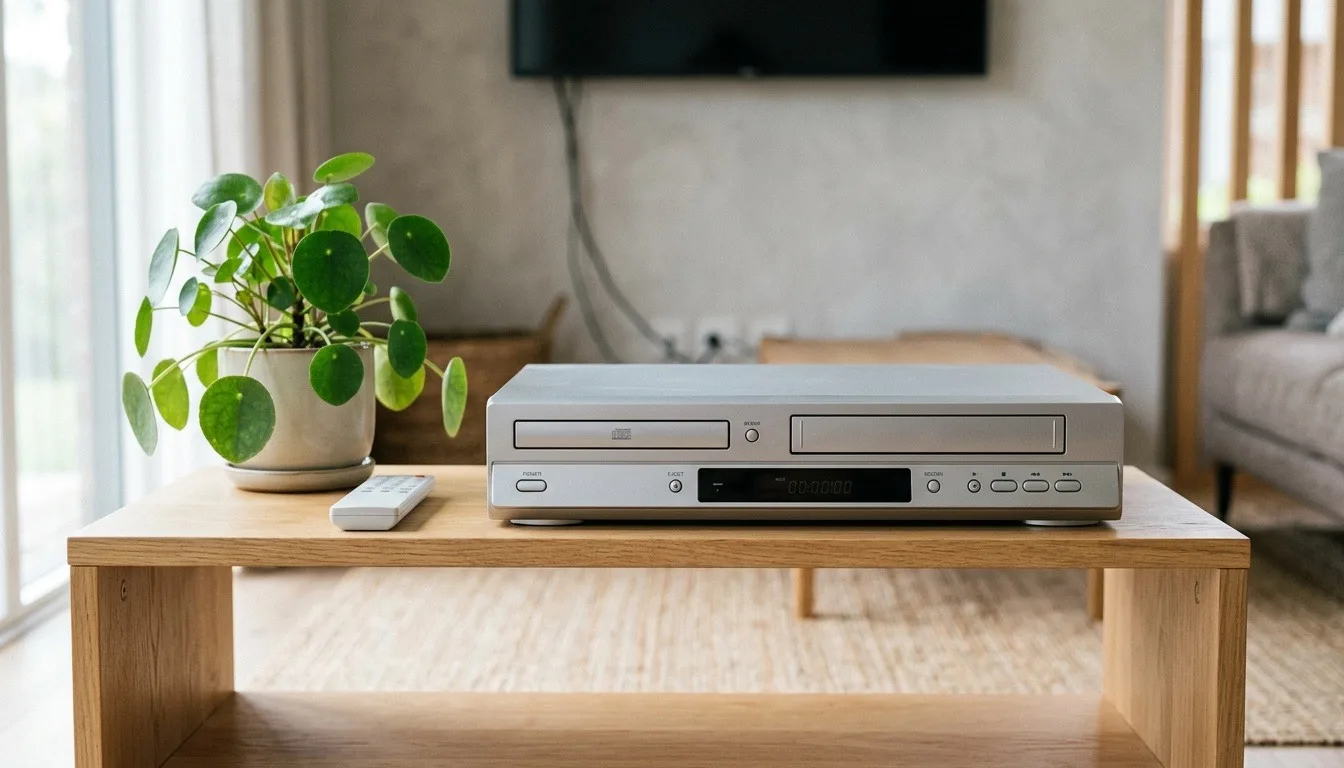
The short answer
A combination DVD vhs player fits anyone with a real VHS collection who is not ready to convert it yet. For everyone else, a DVD or Blu-ray player alone plus a separate tape conversion covers the same ground with less to maintain.
A combination dvd vhs player solves a narrow problem. It plays both formats in one box, with no second deck taking up shelf space. Whether that trade-off still makes sense depends on your actual VHS collection.
Magnavox MWD2206 DVD/VCR Combo
Our verdict:
Best all-round combo
Best for playing both DVDs and VHS tapes on one box
View Product DetailsKeep in mind: no HDMI output, so a modern TV needs component or S-video inputs or an adapter
The Magnavox MWD2206 plays DVD, recordable DVD and CD, and VHS tapes on a 4-head VCR. It has component and S-video outputs, not HDMI.
Our verdict:
Best for recording to tape
Best for recording to VHS as well as playing DVDs
View Product DetailsKeep in mind: tunerless, and no HDMI output
The Toshiba SD-V295 lists one-touch recording and can play a DVD while it records to VHS.
These are older designs. Many listings for combo units are refurbished, so read the condition line on the listing with care.
For the full buying checklist, see our blue ray player guide.
Panasonic PV-D4743S DVD/VCR Combo
Our verdict:
Best for a surround sound setup
Best for recording to tape while a DVD plays, with surround sound out to a receiver
View Product DetailsKeep in mind: an older model with no HDMI output, so check the condition before you buy
The Panasonic PV-D4743S is an older combo deck with a 4-head hi-fi VCR and progressive-scan DVD output. It can record a tape while a DVD plays, and it has Dolby Digital and DTS outputs for a receiver. Like every deck here, it has no HDMI.
VHS mechanism production ended years ago. The format faded from mainstream use, and manufacturers moved on. Every combo deck sold now is refurbished, old retail stock, or a used unit from a prior owner. That fact shapes the whole buying decision. You cannot simply order a brand-new one from a major manufacturer anymore.
VHS playback mechanisms wear out with use. Rubber belts inside the deck degrade over time, even in storage. Ask the seller about recent use before buying. A deck that sat unused for years carries real risk of belt failure on its first run, even if it looks pristine on the outside.
The DVD side of a combination player usually performs like any basic DVD-only player. Sharing a chassis with the VHS mechanism does not weaken it. If DVD playback is your main need and VHS is secondary, this is not something to worry about.
Sometimes preserving the tape content matters more than owning a working deck. In that case, converting VHS tapes to digital is the better move. It removes your need for aging hardware. A one-time conversion service turns a fragile analog tape into a digital file. That file will not degrade the way a tape does over time.
Say you have a modest VHS collection and you watch it now and then. You are not ready to invest in conversion yet. A combo deck can bridge that gap for you. Just treat any used unit as a device with a limited remaining lifespan, not a permanent fix.
Heat and humidity shorten a VHS mechanism's working life fast. Both speed up belt and rubber-roller wear inside the deck. Keep a combo player away from a hot attic, a damp basement or direct sunlight through a window. A stable room-temperature spot does far more for its longevity than any cleaning routine.
Keep the deck in a stable, dust-free spot. Dust is one of the more common causes of tape-mechanism failure over time. Run a cleaning tape through the VHS side now and then if you use it regularly. Avoid leaving a tape inserted when the deck sits idle for long stretches.
Belts and other small mechanical parts for older VHS decks are still sold through specialty electronics parts sellers. Full units are no longer made new though. A DIY belt replacement is a common fix for a deck that stopped loading tapes properly. It does take some comfort opening the unit and handling small parts.
If VHS playback is your real priority and DVD is just a nice extra, think about a VCR-only unit instead. A single-format deck has fewer moving parts. Fewer things can fail at once. Pairing a separate, well-maintained VCR with a standalone DVD or Blu-ray player can end up more reliable over time than one aging combo unit doing both jobs.
Most combination dvd vhs players output composite or RCA connections for the VHS side. That matches the analog signal a VHS tape actually stores. The DVD side often adds HDMI output alongside those older connections. Check your TV has the right inputs for both sides of the deck. A modern TV with HDMI-only inputs may need an adapter for the VHS side.
A combo deck plays a tape; it does not restore one. A VHS tape with tracking issues, faded color or physical damage will show those same problems no matter how good the deck is. If your tapes already show wear, think about a professional transfer service instead. Some services clean up damage during digitization. That beats simply buying a nicer combo deck to play a tape that keeps deteriorating.
A used combo deck often costs less upfront than a one-time conversion service. That upfront savings can be misleading though. A deck can fail at any point and need replacing. A completed digital conversion is a one-time cost that does not wear out. For a collection of any real size, weigh repeated deck purchases over several years against one conversion cost before you decide.
A wavy or rolling picture on the VHS side usually points to a worn tracking mechanism or a dirty read head, not a bad tape. Try a different, known-good tape first before assuming the deck itself has failed on you. If the same wavy picture shows up across several tapes, the deck is the more likely culprit. Try cleaning the heads before replacing anything.
A head-cleaning tape run through the deck now and then clears many minor playback issues. No disassembly needed. This is the cheapest first troubleshooting step for a combo deck that has started producing a fuzzy or unstable VHS picture.
Once you have converted or watched through a VHS collection, decide early whether you plan to keep the physical tapes or let them go. Local thrift stores and some specialty media shops still accept VHS donations. Demand has dropped sharply compared to a decade ago though.
Selling individual tapes rarely pays much. A title needs real collector value first. Donation is often the more practical route for a general collection.
A combination dvd vhs player fits anyone with a real VHS collection who is not ready to convert it yet. For everyone else, a DVD or Blu-ray player plus a separate tape conversion covers the same ground with less aging hardware to maintain.
No. Production of new VHS mechanisms stopped years ago, so any combo deck sold today is refurbished or old stock, not a newly manufactured unit.
It can be, but VHS mechanisms wear out and belts degrade over time. Ask about recent use and check return policies before buying a used unit sight unseen.
If you only want to watch a handful of tapes occasionally, a combo player can make sense. If preserving the content matters more than owning a working deck, conversion is the safer long-term move.